

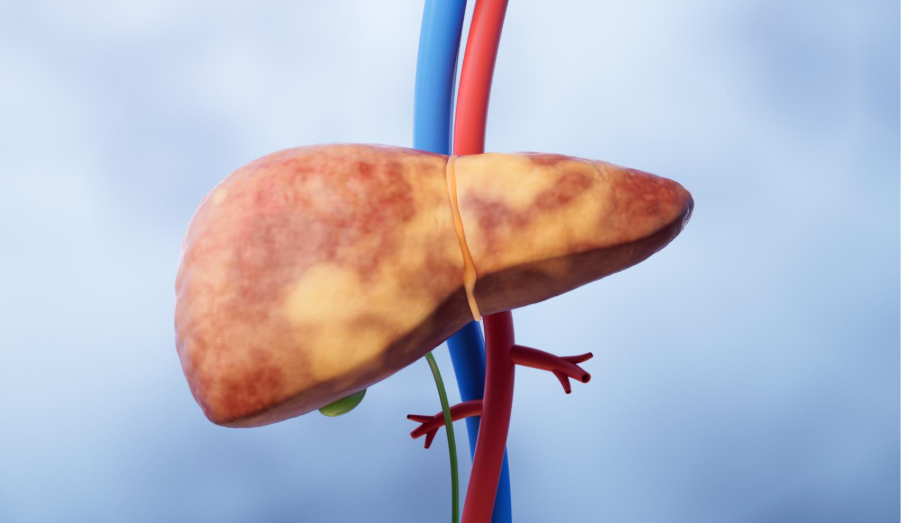
Fatty liver disease is becoming increasingly common in India. The condition, characterized by the accumulation of fat in the liver, can be broadly categorized into two types:
- Alcoholic fatty liver disease
- Non-alcoholic fatty liver disease
While alcoholic fatty liver disease stems from excessive alcohol consumption, non-alcoholic fatty liver disease (NAFLD) often arises from poor dietary habits and a sedentary lifestyle.
In India, a diet rich in fatty foods and oils, combined with less physical activity, contributes significantly to the prevalence of fatty liver symptoms. Genetics also play a crucial role, with some individuals more predisposed to developing the disease due to their hereditary makeup. Recognizing these risk factors is essential for tackling this growing health issue.
The Silent Challenge: Why Detecting Fatty Liver Symptoms Early is Key?
One of the challenges with fatty liver disease is that the fatty liver symptoms often go unnoticed in the early stages. People may not realize they have a problem because the symptoms can be subtle or entirely absent initially.
Regular medical check-ups and routine blood tests are vital for early detection. These evaluations can spot changes in liver function before serious problems develop. Early intervention can prevent the progression to more severe conditions like Non-Alcoholic Steatohepatitis (NASH) or liver cirrhosis, a condition where liver damage becomes irreversible.
Recognizing the Subtle Signs and When to Act?
Being vigilant about your health can make a big difference.
Watch out for these subtle fatty liver symptoms:
- Persistent fatigue
- Mild discomfort in the abdomen
- Unexplained weight loss
- Elevated liver enzymes
If you notice these symptoms and they persist or worsen, it’s crucial to consult a healthcare professional.
We at Aastha Hospital offer comprehensive consultations for liver health. Case studies show that ignoring early signs can lead to severe complications. Acting early can greatly improve outcomes.
Urgent Symptoms that Demand Immediate Attention
Certain fatty liver symptoms require immediate medical evaluation.
These symptoms indicate advanced liver disease and can be life-threatening:
- Yellowing of the skin and eyes (jaundice)
- Swelling in the abdomen or legs
- Dark urine
- Vomiting blood or blood in stools
When these symptoms appear, it’s essential to seek urgent medical attention.
We provide expert care and advanced liver imaging to help diagnose and treat severe liver conditions. Early assessment is crucial for effective treatment.
Embracing Prevention: Lifestyle Changes for a Healthy Liver
Preventing fatty liver symptoms is largely dependent on lifestyle choices. By adopting healthy habits, you can significantly reduce your risk:
- Maintain a healthy weight by balancing calorie intake with physical activity.
- Manage conditions like diabetes, as high blood sugar levels can exacerbate fatty liver disease.
- Limit alcohol consumption to protect your liver from additional stress.
A structured diet and regular exercise can vastly improve liver health.
We offer programs emphasizing holistic health and preventive care strategies, helping you maintain a healthy liver.
Comprehensive Care and Future Steps
If you or someone you know exhibits fatty liver symptoms, various treatment options are available. Treatment typically starts with lifestyle modifications, such as dietary changes and increasing physical activity. Medications might be prescribed to manage blood sugar or cholesterol levels if needed.
In some cases, surgical options, such as bariatric surgery, may be considered, especially if obesity is a contributing factor. Liver transplants are an option for advanced cases, though they are less common due to the complexity and risk involved.
Aastha Hospital advocates a comprehensive care approach. We collaborate closely with patients and their families to ensure thorough understanding and effective management of the disease. Regular follow-ups and personalized care plans are part of our approach.
Being proactive about liver health is crucial. We at Aastha Hospital stand ready to support individuals on their journey to better liver health, with resources designed to promote informed and proactive decision-making.
Dr. Prateek Kadian
MBBS, DNB Internal Medicine, MRCP (Part 1)
Consultant Internal Medicine