

What is Pneumonia in Children?
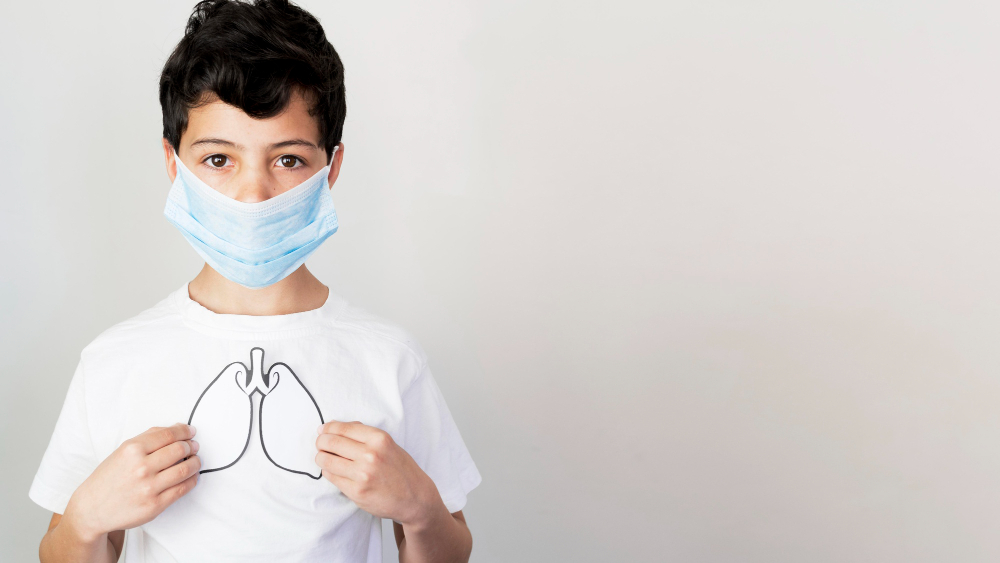
Pneumonia in children is an infection of the lungs that can be caused by viruses, bacteria, or fungi. Children have smaller airways; pneumonia can be more serious for them. Early care is important, as untreated pneumonia may lead to complications. According to the World Health Organization (WHO), pneumonia is a leading cause of illness in children worldwide. Therefore, knowing the signs and how to prevent it can help keep your child healthy.
Common Symptoms of Pneumonia in Children:
Recognizing childhood pneumonia symptoms early can help your child get the right care. While symptoms can vary, some are more common. For example, many children start with a cough or fever. However, some may show only mild signs at first.
Watch for these symptoms:
· Persistent cough, which may produce yellow or green phlegm.
· High fever, often with chills.
· Fast or difficult breathing.
· Chest pain, especially when coughing or breathing deeply.
· Loss of appetite or poor feeding.
· Fatigue or low energy.
· Wheezing or grunting sounds.
· Bluish lips or fingernails (a sign of low oxygen).
If your child has trouble breathing or seems very unwell, seek help right away. Sometimes, symptoms can be mild at first but worsen quickly.
Causes:
*Viruses: The most common cause, including influenza, respiratory syncytial virus (RSV), and adenovirus.
*Bacteria: Can cause more sudden and severe infections, including Streptococcus pneumoniae and Mycoplasma pneumoniae (often called “walking pneumonia”).
*Fungi: Less common but can be a cause of pneumonia.
Risk Factors:
Several risk factors can make a child more likely to get pneumonia:
· Being under 2 years old.
· Having a weak immune system.
· Exposure to pollution.
· Not being fully vaccinated.
· Chronic health conditions, like asthma.
· Malnutrition or poor overall health
Because young children are still building their immunity, they are more at risk. Also, crowded living conditions can increase the chance of infection.
How Pneumonia in Children is Diagnosed
Dr. Sanjay K Jain, HOD (Pediatrics & Neonatology) says, there are several steps to diagnose pneumonia in children. He asks child’s symptoms and medical history. Next, he listens to child’s chest with a stethoscope. Sometimes, he may advise a chest X-ray to see the lungs more clearly. In some cases, blood tests or mucus samples help find out which germ is causing the infection. However, not all children need these extra tests. He further emphasises; quick diagnosis helps start treatment sooner, which can prevent complications.
Treatment Options for Pneumonia:
Dr. Sanjay K. Jain says; treatment for pneumonia in kids depends on the cause. If a virus is to blame, rest and fluids are often enough. However, bacterial pneumonia usually needs antibiotics. At Aastha Hospital, our expertise Pediatrician & Neonatologist decides the best treatment for your child. Most children can recover at home, but some may need hospital care. This is more likely if your child is very young or has trouble breathing. Key steps in treatment include:
· Giving prescribed antibiotics (if bacterial).
· Ensuring plenty of rest.
· Offering fluids to prevent dehydration.
· Using fever reducers, like acetaminophen, if needed.
· Monitoring for signs of worsening illness.
Always follow Paediatrician’s advice and take all medicines as prescribed. If symptoms get worsen, visit our Paediatrician & Neonatologist right away for expertise care.
Prevention Tips for Parents and Caregivers:
Preventing pneumonia in children is possible with a few simple steps. Vaccines are the best way to protect your child. For example, the pneumococcal and Hib vaccines lower the risk of serious lung infections. In addition, the flu vaccine helps prevent viral pneumonia. Here are more tips to keep your child safe:
· Keep your child’s vaccines up to date.
· Encourage frequent handwashing.
· Avoid exposing your child to pollution.
· Avoid kissing on face.
· Keep sick children home from school or daycare.
· Ensure good nutrition for a strong immune system.
· Clean and disinfect toys and surfaces regularly.
Because prevention is easier than treatment, these steps can make a big difference.
When to Seek Medical Help:
Some signs mean your child needs medical care right away. For instance, if your child is breathing very fast or has trouble catching their breath, visit our Pediatrician soon. Other warning signs include:
· Bluish lips or face, nasal flaring, fast breathing.
· High fever that does not go down.
· Severe chest pain.
· Extreme tiredness or confusion.
· Not drinking enough fluids or not urinating.
If you are unsure, it is always better to visit Pediatrician & Neonatologist. Early care can prevent serious problems. Consult an experience Pediatrician & Neonatologist at Aastha Hospitals if your child shows symptoms of Pneumonia or for expertise care. Pediatrician & Neonatologist is available 24HX7 to attend emergency in Aastha Hospital.
Dr. Sanjay K. Jain
HOD (Pediatrics & Neonatology)